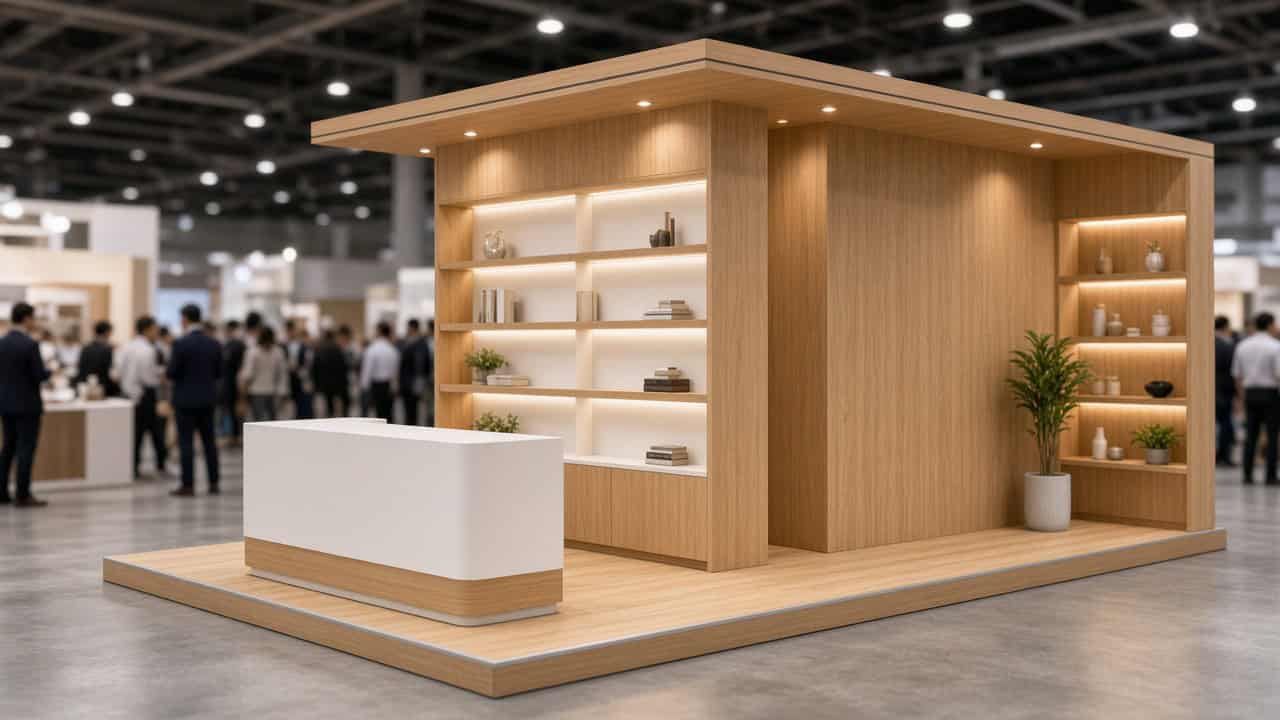
A display cabinet is a cabinet built to show things off while keeping them safe and dust-free. Most have glass doors or glass sides, adjustable shelves and, often, lighting inside. In Singapore homes the common types are full-height built-in display walls, glass-front cabinets with closed storage below, open shelving and lit niches, freestanding glass cabinets, wall-mounted cabinets and display sections built into a TV console. Shops and galleries use showcase counters and lockable glass towers.
The right one depends on what you’re displaying, how much wall you have, and whether it also has to hold everyday clutter. At Reno Guys we design and build custom display cabinets in our own Woodlands workshop as part of our carpentry services. Below is the practical guide we walk homeowners through before anything is cut.
Types of display cabinets
Type
Where it works
Good for
Watch out for
Full-height built-in display wall
Living room feature wall, study, corridor
Large collections, books, a strong focal point
Can feel heavy in a small living room; needs careful planning for lighting and wiring
Glass upper, closed lower
Living room, dining area
Display at eye level, clutter hidden below
Lower doors must suit whatever you store there
Open shelving and lit niches
TV wall, entryway, beside the sofa
Decor, plants, a few chosen pieces
Collects dust; no protection from small hands
Freestanding glass cabinet
Corners, dining room, rented homes
Flexibility; you can take it with you when you move
Off-the-shelf sizes rarely fit the wall exactly; tall units need anchoring
Wall-mounted cabinet
Above a sideboard, study desk or bar counter
Small collections, keeping the floor clear
The wall and fixings must take the full loaded weight
TV console with display sections
Living room
Combining media storage with display
Plan cable routes and router space first
Shop showcase or counter
Retail, galleries, offices
Products, jewellery, awards
Needs locks, sturdy glass and lighting that flatters the product
What is the difference between a display cabinet and a storage cabinet?
A storage cabinet hides things. A display cabinet shows them. Most homes need a bit of both, which is why the glass-top, closed-bottom design is so common in HDB flats and condos: the pieces you’re proud of go behind glass at eye level, and the board games, files and spare cables go in the closed section below. If you’re searching for a display cabinet with storage, this is usually the layout you want.
Built-in vs freestanding display cabinets
Built-in
Freestanding
Fit
Made to the exact wall, floor to ceiling if you want
Fixed catalogue sizes, gaps at the sides and top
Dust
No gap on top to collect dust
Top and back gather dust
Lighting
Wiring can be hidden inside the carpentry
Usually plug-in lights with visible cables
Moving house
Stays with the unit
Comes with you
Lead time
Needs design, measurement and fabrication
Can be bought and delivered quickly
A built-in display cabinet makes sense when you own the home, have a specific wall in mind and want it to look like part of the room. A freestanding cabinet is the practical choice for renters or for a collection you’re still building. If you go freestanding and the cabinet is tall, fix it to the wall. A loaded glass cabinet is top-heavy and can tip if a child climbs or pulls on it.
Display cabinet design ideas by room
Living room. The most common spot. A display wall beside or around the TV gives you one composed feature instead of two competing pieces of furniture. In a smaller HDB living room, a lower glass-front cabinet or a run of niches above a TV console keeps the room feeling open. Save full-height glass for a wall that isn’t next to a tight walkway.
Dining area. A glass-front sideboard or tall cabinet for crockery, glassware and serving pieces. Glassware and plates need deeper shelves than figurines, so size the shelves for the widest piece.
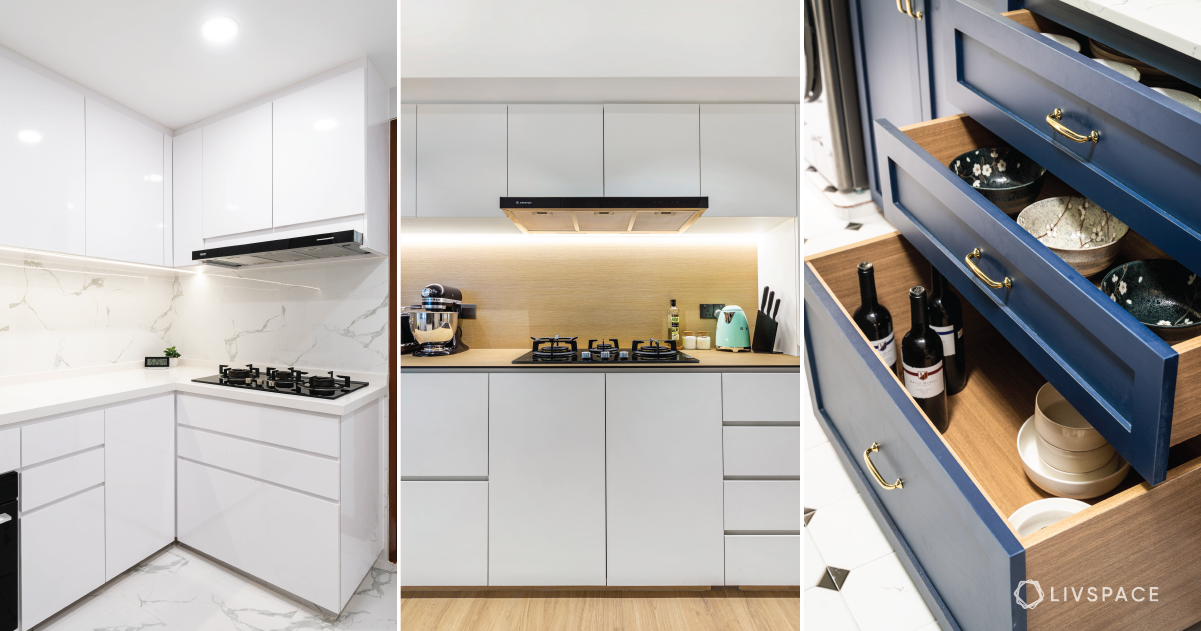
Kitchen. Glass-door wall cabinets turn part of the kitchen cabinets into display space for nice cups, jars or a tea set. Keep glass doors away from the hob, where grease builds up fast. Use them on the wall cabinets furthest from the cooking zone.
Entryway. A shoe cabinet with a lit niche on top gives you somewhere for keys, a vase or a family photo without adding another piece of furniture.
Study or hobby room. Collectors of figurines, Lego, model cars or sneakers usually want shallow shelves, lots of them, behind glass to keep the dust off. Adjustable shelves matter here because collections grow and change.
Bedroom or walk-in wardrobe. Glass-door sections in a built-in wardrobe for handbags, watches or shoes. Keep these out of direct sun so leather and fabrics don’t fade. For full bedroom storage layouts, see our built-in wardrobe guide.
How to size a display cabinet
Start with the items, not the cabinet. Before you look at designs, list what goes inside and measure the tallest, widest and deepest pieces. Then plan:
Shelf height: the tallest item on that shelf plus room to lift it out without knocking the shelf above. Adjustable shelves let you change spacing later.
Depth: match it to the items. Deep shelves suit plates, glassware and handbags, but small figurines get lost on them. Collectibles often look better on shallow shelves. If you’re unsure, take your largest piece to the design discussion.
Width: let the wall decide. In a built-in, the cabinet can run the full width so there are no dusty gaps at the sides.
Height: check the ceiling and anything on the wall first: aircon trunking, switches, the DB box, windows. A full-height cabinet can wrap around some of these if it’s planned in.
Clearance in front: hinged glass doors need room to swing open. If the cabinet faces a walkway or the back of the sofa, sliding doors or a lift-up flap may work better.
Shelf load: books, crystal and stone pieces are heavy. Tell your carpenter, so shelf thickness and supports can be planned for it.
Choosing glass and doors
Glass type. Tempered glass is the usual choice for display cabinet doors and shelves. It is stronger than ordinary annealed glass, and when it breaks it crumbles into small pieces instead of long shards. Laminated glass holds together when cracked and is worth considering for low panels in homes with young children, or for shop counters. If the cabinet faces a window, ask about glass with UV protection and still keep sensitive pieces out of direct sun.
Clear, tinted or fluted. Clear glass shows everything, including fingerprints. Tinted or smoked glass looks moodier and hides a bit of clutter. Fluted or reeded glass blurs what’s inside, so it’s better for semi-display storage than for collectibles you want to see clearly.
Framed or frameless. A slim aluminium or timber frame protects the glass edge and is forgiving to use every day. Frameless glass looks cleaner but needs good hinges and accurate alignment.
Hinged, sliding or lift-up. Hinged doors give full access. Sliding doors suit tight spaces, but only half the cabinet is open at a time. Lift-up doors work for wall-mounted units above head height.
Locks. For watches, jewellery, or anything valuable in a home with kids or helpers, add a lock to the glass doors. For shops, it’s standard.
Display cabinet lighting
Source: Angi
Lighting is what turns a cabinet into a display. The common options:
Option
What it does
Notes
LED strip under or along each shelf
Even light across the whole shelf
Most common; recess it in a groove so you don’t see the dots
Vertical side strips
Light from the sides, fewer shadows on glass shelves
Good for tall glass towers
Small spotlights at the top
Picks out individual pieces
Suits fewer, larger items
Back-lit panel
Glows behind the items
Dramatic, but objects can read as silhouettes
A few things to settle before the carpentry is built:
Plan the wiring first. Where the power point goes, where the switch or sensor sits, and where the LED driver can be reached if it ever needs replacing. Adding lights after a built-in is finished usually means visible cables or drilling into finished panels. Wiring should be done by a licensed electrician.
Pick the colour temperature to suit the items. Warm white flatters timber, ceramics and decor. Neutral or cool white suits glass, silver and watches. Keep it consistent across the cabinet.
LEDs run cool, which matters inside a closed glass box with delicate items.
Think about how you’ll switch it on. A door sensor, a dimmer or a switch on the wall. A cabinet you have to reach behind to turn on won’t get lit.
Dust, humidity and care
Singapore’s humidity is hard on anything kept in a closed box. Glass doors keep the dust off, but they also trap moisture, so:
Open the doors now and then to air the cabinet, or keep a moisture absorber inside if you’re displaying leather, paper, wood or anything prone to mould.
Don’t put a display cabinet against a wall that gets damp or right beside the aircon outlet.
Dust with a dry microfibre cloth. For glass, spray a mild glass cleaner onto the cloth, not the glass, so it doesn’t run onto the frame or the items.
Skip harsh or abrasive cleaners on laminate and painted finishes.
Wipe shelves before putting pieces back, and handle collectibles by their base.
Commercial display cabinets and showcases
Shops, galleries and offices use display cabinets differently. A retail showcase needs to sell the product: good lighting, sturdy glass, locks, and storage underneath for stock. Jewellery counters are usually waist-height with a glass top so customers can look down at pieces. Tall glass towers suit watches, bags and awards. Shopfronts need displays that read from outside.
We build carpentry for commercial spaces too. See our store fixtures page if you’re fitting out a shop.
How we design and build a custom display cabinet
Every display cabinet we build starts in our Woodlands workshop, not a catalogue. The process:
Consultation. We talk through what you want to display, the space, and how the cabinet fits with the rest of the room. Consultation and quotation are free.
Measurement and design. We measure the wall and plan the shelf spacing, glass, doors and lighting around your items, then show you the design before anything is built.
Quotation. You get an itemised quote based on the approved design.
Fabrication. Our carpenters build the cabinet in our Woodlands workshop.
Installation. We deliver and install it, align the doors and shelves, and check the lighting works.
If the display cabinet is part of a larger renovation, we can plan it alongside the rest of the carpentry, like the TV console, wardrobes and custom furniture, so the finishes match. On HDB jobs we plan the work so one room stays usable.
Reno Guys is BCA registered, licensed, bonded and insured, with more than 30 years of experience.
FAQ
What is a display cabinet?
A display cabinet is a cabinet designed to show items while protecting them, usually with glass doors or panels, adjustable shelves and sometimes built-in lighting. It’s used at home for collectibles, crockery, books and decor, and in shops for products.
What are the main types of display cabinets?
Full-height built-in display walls, glass-front cabinets with closed storage below, open shelving and niches, freestanding glass cabinets, wall-mounted cabinets, TV consoles with display sections, and shop showcases or counters.
Is a built-in display cabinet better than a freestanding one?
For homeowners with a specific wall in mind, a built-in fits exactly, leaves no dusty gaps and hides the lighting wiring. A freestanding cabinet is more flexible and moves with you, which suits renters.
How deep should a display cabinet be?
It depends on what goes in it. Measure your deepest item and plan from there. Plates, glassware and handbags need deeper shelves; figurines and small collectibles look better on shallow ones.
Can I add lighting to a display cabinet later?
You can add plug-in or battery lights later, but the cables and switches are hard to hide. If you want lighting in a built-in display cabinet, plan the power point, switch and wiring before it’s built.
What glass is used for display cabinets?
Tempered glass is the usual choice because it’s stronger than ordinary glass and breaks into small pieces. Laminated glass holds together when cracked. Tinted or fluted glass changes how much of the inside you see.
Does Reno Guys build custom display cabinets?
Yes. We design and build custom display cabinets in our own Woodlands workshop, for homes and commercial spaces, as part of our carpentry services.
Get a quote for a custom display cabinet
Tell us what you want to display and send a photo of the wall. We’ll come back with ideas and a free quote. WhatsApp us at +65 9731 6300 or see our cabinetry services. We’re open Monday to Friday, 9am to 6pm, and Saturday, 9am to 2pm.
Contents
Also worth reading
Older Resale Flat Renovation: How to Set a Budget
November 10, 2026
Renovating a 30-Year-Old HDB Flat: What to Check
November 10, 2026
SPC Vinyl Flooring in Singapore: Cost Factors and HDB Tips
November 9, 2026
Exhibition Booth Design & Build in Singapore: A Practical Checklist
November 9, 2026
BTO Renovation in Singapore: Where 83,607 New HDB Flats Landed and What It Means for Your Reno
November 3, 2026
5 Best Renovation Contractors in Singapore (2026)
January 25, 2026
Tell us more about your project.
Share a few details and we will get back to you. Prefer to talk? Call or WhatsApp +65 9731 6300.
Send us your enquiry
A few details now help us give you a useful answer when we reply.